Occupational Therapy

Our services

What is occupational therapy for children?

A child’s “occupations” are the activities that fill their day: playing, learning, taking care of themselves and spending time with others.

Occupational therapy looks at what a child wants or needs to do, what makes that activity difficult and what could help. Depending on your child’s needs, this may involve developing a skill, adjusting an activity or finding a more effective way to approach a routine.

The goal is meaningful participation—in the things that matter to your child and family.

Helping everyday activities become a little easier

Getting dressed. Playing with friends. Using a pencil. Sitting down to a meal.

These moments are a big part of a child’s day. When they are difficult, the whole family can feel the effect—from challenging mornings to frustration with activities other children seem to enjoy.

At Treehouse Speech and Rehabilitation, occupational therapy helps children build skills and find supports for participating more comfortably and independently in everyday life.

Occupational Therapy

Do any of these situations sound familiar?

You may know that something is difficult without knowing why. These examples can help you describe what you’re noticing.

A single behavior does not tell us whether a child needs therapy. We consider your child’s age, the situation and how the difficulty affects daily life.

Needs extra help with clothing fasteners or getting dressed.

You might notice your child:

Understanding these experiences can help us explore ways to make routines and activities more manageable.

You might notice your child:

We look at what is happening around the activity and which skills or supports may help your child participate. The focus is understanding the difficulty and finding useful ways forward.

You might notice your child:

Tell us which situations are difficult and which your child enjoys. That information helps connect the evaluation to their daily experiences.

You might notice your child:

We consider the task and your child’s stage of development. The purpose is to support useful, comfortable participation in play and learning.

You might notice your child:

Goals can focus on the parts of a routine your family most wants to improve. Feeding and swallowing concerns may also call for a feeding evaluation.

Purposeful therapy that connects with your child

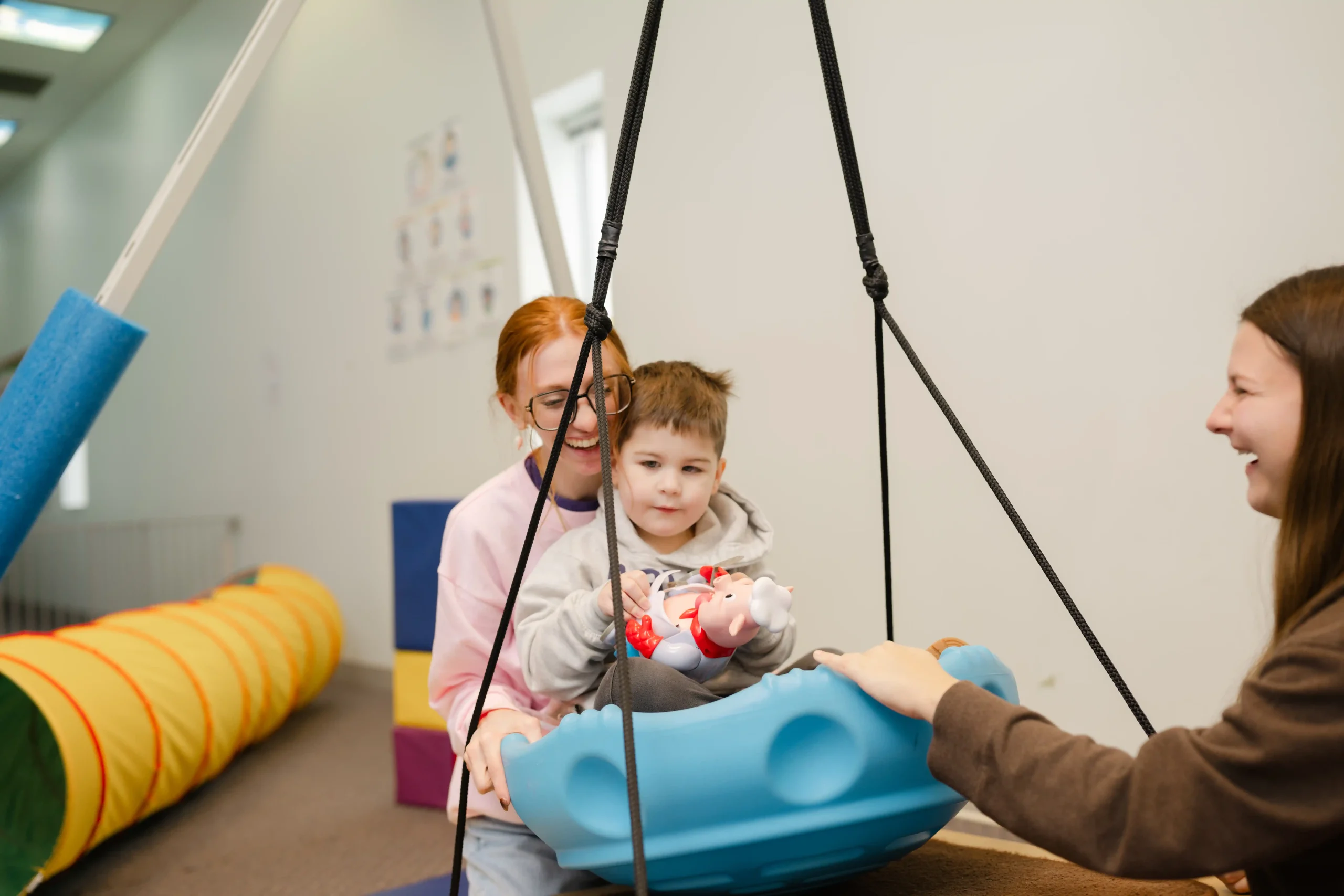
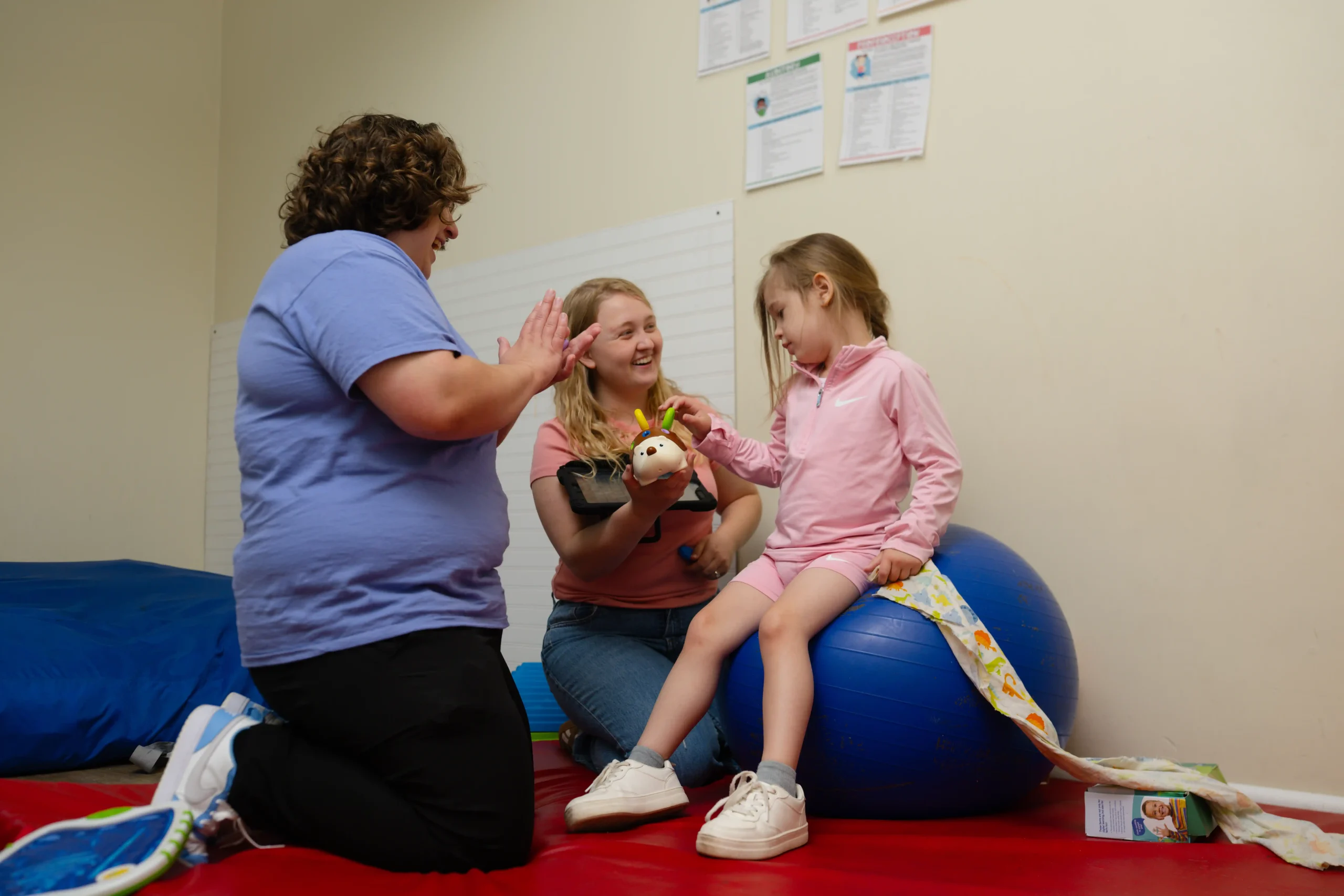
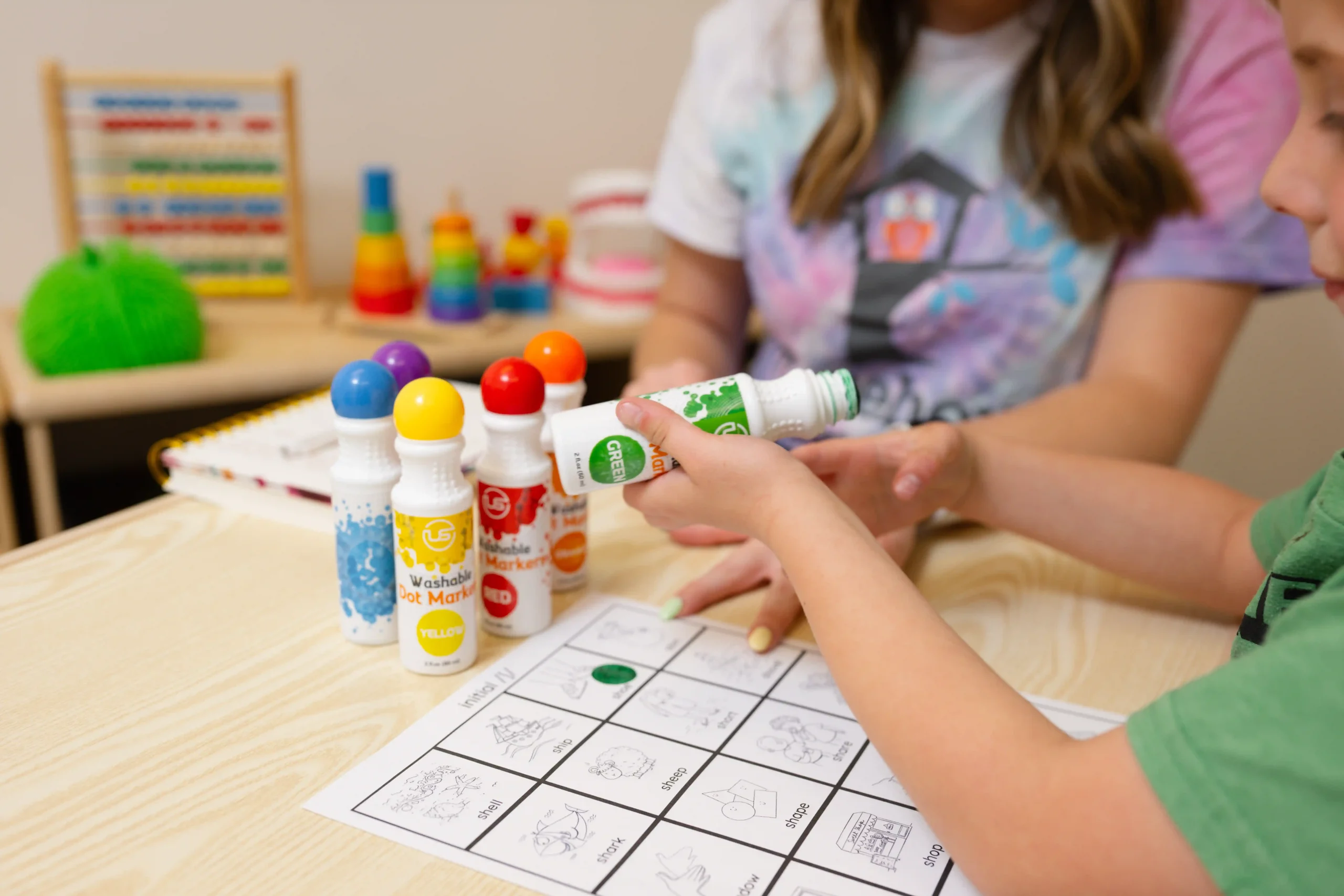
A child building a tower, drawing a picture or working through a play activity may be practicing several skills at once.

Your child’s therapist selects activities around the evaluation findings and treatment goals. Interests and preferences help make the work engaging, while the goals keep it connected to everyday needs.

Progress might mean managing a clothing fastener, participating in a favorite activity or needing less help with a familiar routine. What matters is what the change makes possible for your child.

Your family helps shape the goals

Which part of the day is hardest? What would your child like to do more independently? What is already going well?

Your answers help us understand what matters outside the therapy room. Share what you notice between visits and ask about suitable ways to support your child at home.

Everyday progress, in families’ own words

Lorem ipsum dolor sit amet, consectetur adipiscing elit. Ut elit tellus, luctus nec ullamcorper mattis, pulvinar dapibus leo.Lorem ipsum dolor sit amet consectetur adipiscing elit dolor

What happens at an OT evaluation?

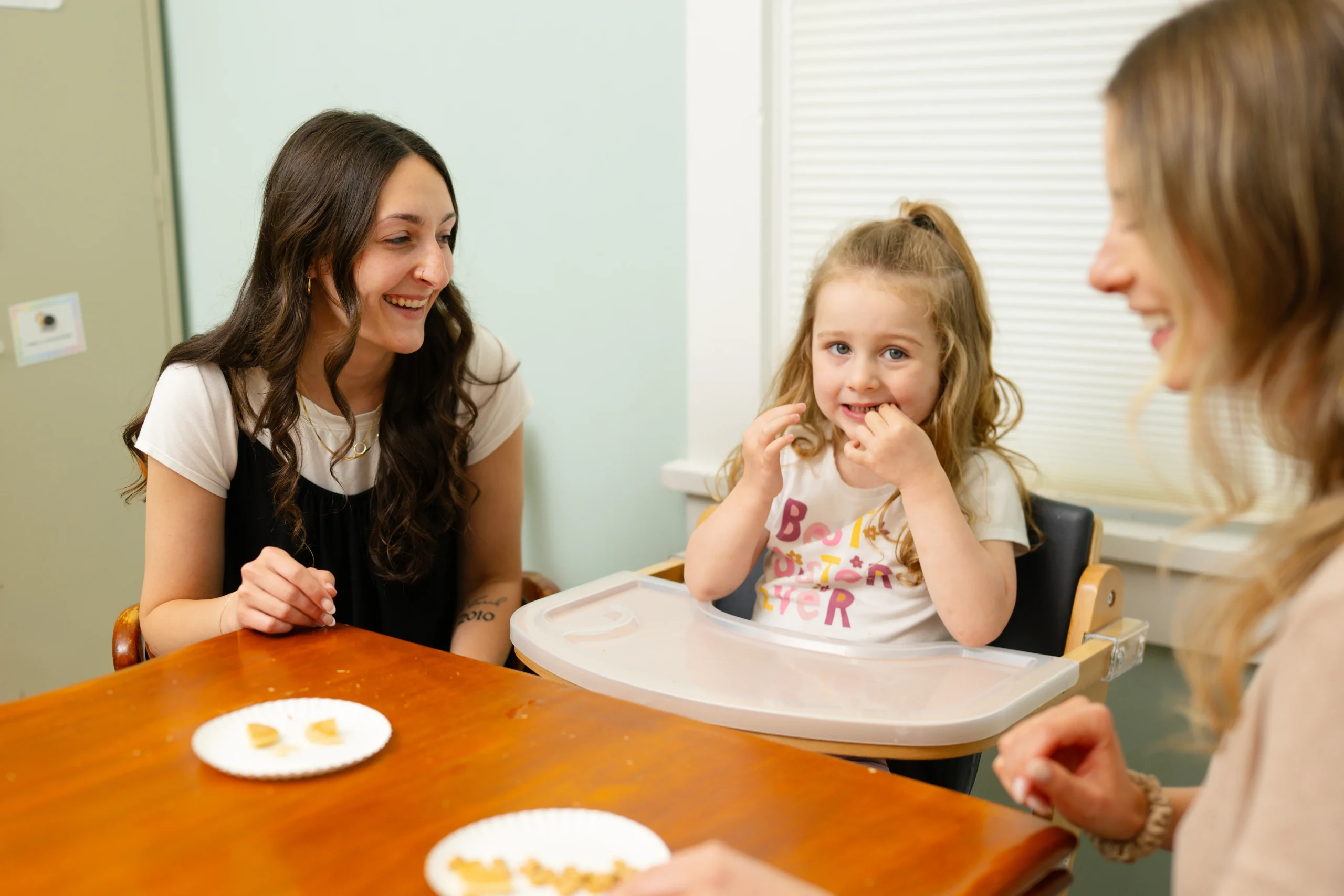
An evaluation gives the therapist an opportunity to learn about your concerns, your child’s history and their participation in daily activities. Through appropriate observation and assessment, the therapist explores strengths as well as areas of difficulty.

You’ll have an opportunity to discuss the findings, ask questions and learn about recommended next steps.

Wondering what to expect at your child’s age?

Our visual milestone guide lets you explore selected skills by age and developmental area. Our developmental questionnaire can help you organize your observations and questions.

These resources offer a starting point for discussion, not a diagnosis. You can contact us about a concern without completing the questionnaire.

Let’s talk about what would make your child’s day easier

You do not need to know the name of the difficulty before reaching out. Tell us what you are seeing and what your family would like help with.